 WhatsApp




Industry information
Why Nylon 66 / Polyurethane Can't Do Without Adipic Acid (AA)? From Molecular Structure to the Industry Chain
2026.08.05
Read More


Isophthalic acid (Isophthalic Acid, PIA / IPA, CAS 121-91-5) systematic name 1,3-benzenedicarboxylic acid (also known as "isophthalic acid"), molecular formula C₈H₆O₄. It is one of the three isomers of benzenedicarboxylic acid (ortho/meta/para), and a single molecule links three important fine-chemical industry chains: polyester bottle flake, unsaturated resin, and coatings.
| Indicator | Value / Description |
|---|---|
| Molecular Formula | C₈H₆O₄ |
| CAS No. | 121-91-5 |
| Appearance | White crystalline powder or needle-like crystals |
| Melting Point | Approx. 345–348 °C (readily sublimes) |
| Density | Approx. 1.54 g/cm³ |
| Solubility | Readily soluble in alcohols and glacial acetic acid; slightly soluble in boiling water, insoluble in cold water; nearly insoluble in benzene and petroleum ether |
| Properties | Heat-resistant, hydrolysis-resistant, chemical-corrosion resistant; can undergo polycondensation with alcohols/amines, salt formation, and hydrogenation |
Isophthalic acid plays a triple role: it is thecopolymerization modifier for polyester bottle flake key third monomer, theunsaturated polyester resin (UPR) rigid skeleton unit, and also thealkyd resin / coating important raw material. A single C₈ molecule connects all three tracks — packaging, composite materials, and coatings — which is exactly its irreplaceable underlying logic.
The vast majority of global isophthalic acid uses this route:m-Xylene (MX) → with cobalt acetate as catalyst, acetaldehyde as promoter, and acetic acid as solvent, low-temperature liquid-phase oxidation at approx. 0.6 MPa and 120°C → isophthalic acid crystallization and refining. The process is mature and highly selective, and is currently the lowest-cost mainstream solution.
In addition to the mainstream oxidation method, industry also adoptsisophthalonitrile hydrolysis, m-xylene potassium permanganate oxidation and other auxiliary or alternative processes, used for the production of specific grades and high-end products.
Producing from biomass feedstockbio-based isophthalic acid (Bio-IPA), which can significantly reduce the carbon footprint and meets the sustainable procurement demands of downstream packaging and coating industries, represents an important direction for the industry's green transformation.
| Route | Key Raw Materials | Features | Representative / Status |
|---|---|---|---|
| m-Xylene Oxidation | m-Xylene, cobalt acetate | Mature, high selectivity, low cost | Mainstream (Hengyi / Formosa / Yanshan) |
| Isophthalonitrile Hydrolysis | Isophthalonitrile | Suitable for specific grades | Auxiliary process |
| Bio-based Method | Biomass feedstock | Low-carbon, high value-added | Sustainability direction (demonstration) |
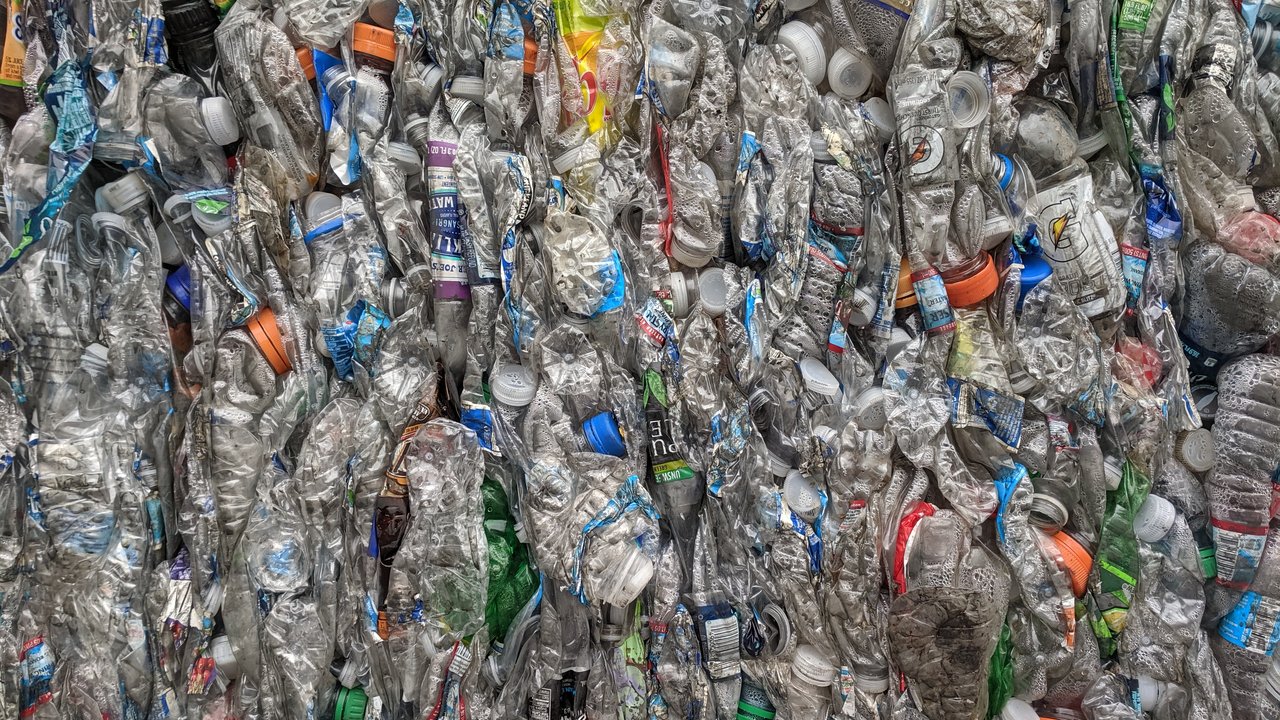
In polyester bottle flake production, PTA and MEG are the main raw materials, and a certain proportion of isophthalic acid is added for copolymerization modification. It reduces the regularity of the polyester molecular chain, improving the processing and molding performance of preforms and enhancing bottle transparency. China is the world's largest producer/consumer/exporter of bottle flake, and PIA's consumption share in this field exceeds 40%, far higher than other downstream sectors.
Isophthalic acid is anunsaturated polyester resin important intermediate, imparting higher heat resistance, corrosion resistance, and mechanical strength to products; it is widely used in fiberglass-reinforced plastic (FRP), sanitary ware, ships, pipes, building materials, etc. In the global demand structure, UPR is the traditional core outlet for PIA.
PIA is used to manufacturealkyd resins (coatings) and printing inks, improving coating adhesion, weather resistance, and gloss; it is a common component of industrial protective paints and coil coatings.
| Application Field | Share of Domestic Demand | Share of Global Demand | Remarks |
|---|---|---|---|
| Polyester Bottle Flake (PET) | ~40%+ | ~60.6% | Mainstay in both global and domestic markets |
| Unsaturated Polyester Resin (UPR) | ~20% or less | ~19.5% | Low in domestic, classic globally |
| alkyd resin / coating | Remaining | Remaining | Coatings, inks |
| Copolyester / Other | Emerging | Emerging | Growth potential |
China is an important global producer and consumer of isophthalic acid. According to industry disclosures, domestic capacity in 2024 was approx. 550,000 tonnes (Hengyi Petrochemical 300,000 t, Ningbo Formosa 200,000 t, Yanshan Petrochemical 50,000 t); production 446,000 t (YoY +33.7%), apparent consumption 660,900 t (YoY +13.52%), the industry is in a "insufficient supply + import supplementation" pattern.
Market leadership is highly concentrated: Hengyi Petrochemical leads with 300,000 t capacity (approx. 55% share), Ningbo Formosa approx. 36%, Yanshan Petrochemical approx. 9%; the two leading companies together control over 90% of capacity, showing a typical oligopoly.
| Item | Spec / Brand | Price Range (yuan/tonne) | Data Source / Date |
|---|---|---|---|
| 2025 East China Monthly Average | 2025-07 | 7,861 (MoM −1.77%, YoY −15.67%) | SCI99 2025-07 |
| 2025-10 | 7,389 (MoM −1.75%, YoY −12.23%) | Longzhong 2025-12 | |
| Spot negotiation | 2025-12 East China | 6,950–7,050 | 2025-10 East China |
| 7,350–7,400 | 2024 Annual Average | Full-year average | |
| 8,881 (down 4.99% vs 2023) | Huanjing / Zhiyan 2024 | Year High/Low | High 9,625 (May) / Low 8,100 (Nov–Dec) |
| Traders (early year) | Lotte Korea / Yanshan (Shandong) | High 9,625 (May) / Low 8,100 (Nov–Dec) | |
| 8,400 / 8,650–9,000 | SunSirs 2025-02 | Note: The above are data from public quotation platforms and industry institutions; actual transaction prices fluctuate due to payment terms, freight, and purchase volume; the year's (2024) high-low spread was approx. 1,525 yuan/tonne. Updated on 2026-07-29. | 4.4 Cost Transmission and Supply-Demand Dynamics |
② Midstream: Loose Supply, Weak Prices
In 2025, major domestic units resumed production one after another, and supply increased steadily; however, downstream bottle flake and resin industries saw lower operating rates and weak purchasing enthusiasm, and factories kept conceding to promote orders, so the price center continued to move downward.
Daily Review Consensus
: Longzhong / SCI99 have repeatedly pointed out that isophthalic acid shows "
④ Global Perspective: Regional Divergence
In 2025 Q2, China FOB Qingdao was approx. 1,036 USD/tonne (MoM −3.3%), and US CFR Texas approx. 1,194 USD/tonne (MoM −6.6%); Asia-Pacific demand accounts for 55.44% of the global total, making it the absolute main market.
💡
Procurement Suggestion
| East China Mainstream Price (yuan/tonne) | Trend | 2024-05 | Year high |
|---|---|---|---|
| 9,625 | ⚠ Stage high | 2024-11/12 | ⚠ Year low |
| 8,100 | ↓ Declining | Weak oscillation, center moving down | ↓ 7,750–8,000 (monthly avg 7,861) |
| 2025-07 | ↓ Weak and stable | Crude oil falling, negotiations continuing to drop | ↓ 7,250–7,450 (monthly avg 7,389) |
| 2025-10 | ↓ Continuing to fall | 2025-12 | ↓ High supply, weak rigid demand |
| ↓ Low level | V. Industry Outlook | 6,950–7,050 | ↓ 💡 Five Major Trend Analyses |
| Impact | Sustained Demand Growth | Driven by rising polyester bottle flake output; expanding applications in pharmaceuticals/electronic chemicals |
|---|---|---|
| Mid-to-long-term demand increment | Green Production | Tightening environmental regulations; bio-based IPA and clean processes accelerating implementation |
| Opening high value-added tracks | High Performance | Improving preform processing and bottle transparency to meet high-end packaging |
| Improving profit structure | Accelerated Localization | Import dependence down to 34.47%, domestic technology rapidly improving |
| Large import-substitution space | Capacity Expansion | New capacity coming online in 2026–2027; China expected to reach 1.4 million tonnes by 2032 |
| Reshaping supply pattern | One-sentence Summary | : In the short term, pressured by |
Need isophthalic acid (PIA) samples, bulk quotes, or technical documentation (COA / TDS / application advice)?
"Online Inquiry"
📌 , or add our WeCom (enterprise WeChat), and the Haiyu Zhonglong Chemical team will provide you with: • High-purity isophthalic acid (multiple domestic brands available, bottle-flake grade / resin grade) • Supporting supply of polyester bottle flake / unsaturated resin raw materials
• Regular market updates and procurement-timing advice
📚 References
[1] Huanjing Industry Research Institute. 2025 China Isophthalic Acid Industry Development Status and Outlook [EB/OL].
📚 [2] Zhiyan Consulting. 2025 China Isophthalic Acid Industry Status and Development Trend Analysis [EB/OL].
[3] Gongyan Industry Research Institute. 2026–2032 Global and China Isophthalate Industry In-depth Survey [EB/OL].
[4] SCI99. Isophthalic Acid Monthly Review (2025-07 / 2025-10) [EB/OL]. 2025.
[5] Longzhong Information (Mysteel). Isophthalic Acid Daily/Weekly Review and Unit Dynamics [EB/OL]. 2025.
[6] Reports and Data. Isophthalic Acid Market Size, Share, Trends 2025–2035[EB/OL].
[7] ChemAnalyst. Global Isophthalic Acid Price Trends Q2 2025[EB/OL].
[8] Tonghuashun / NetEase. 2025 China Isophthalic Acid Industry: Import Dependence and Oligopoly Pattern [EB/OL].
[9] Hengyi Petrochemical 2024 Annual Report (PIA business revenue +90.85%) [EB/OL].
⚠️ The prices listed in this article are data collected from public platforms, for reference only, and do not constitute trading advice. Actual transactions should follow suppliers' real-time quotes. Academic and technical data are from publicly published literature, industry reports, and manufacturer disclosures.
Why Polyester / Beverage Bottles Can't Do Without PTA (Purified Terephthalic Acid)? From Molecular Structure to the Industry Chain
Column: Technical Primer / Industry Watch | Featured Product: Purified Terephthalic Acid (Purified Terephthalic Acid, PTA) | Downstream: Polyester Fiber (Polyester) / Bottle Chip / Film
NEWS


Platform Information Submission - Privacy Agreement
· Privacy Policy