 WhatsApp




Industry information
SBS for Asphalt Modification: Grade Selection and Formulation Guide
2026.10.21
Read More

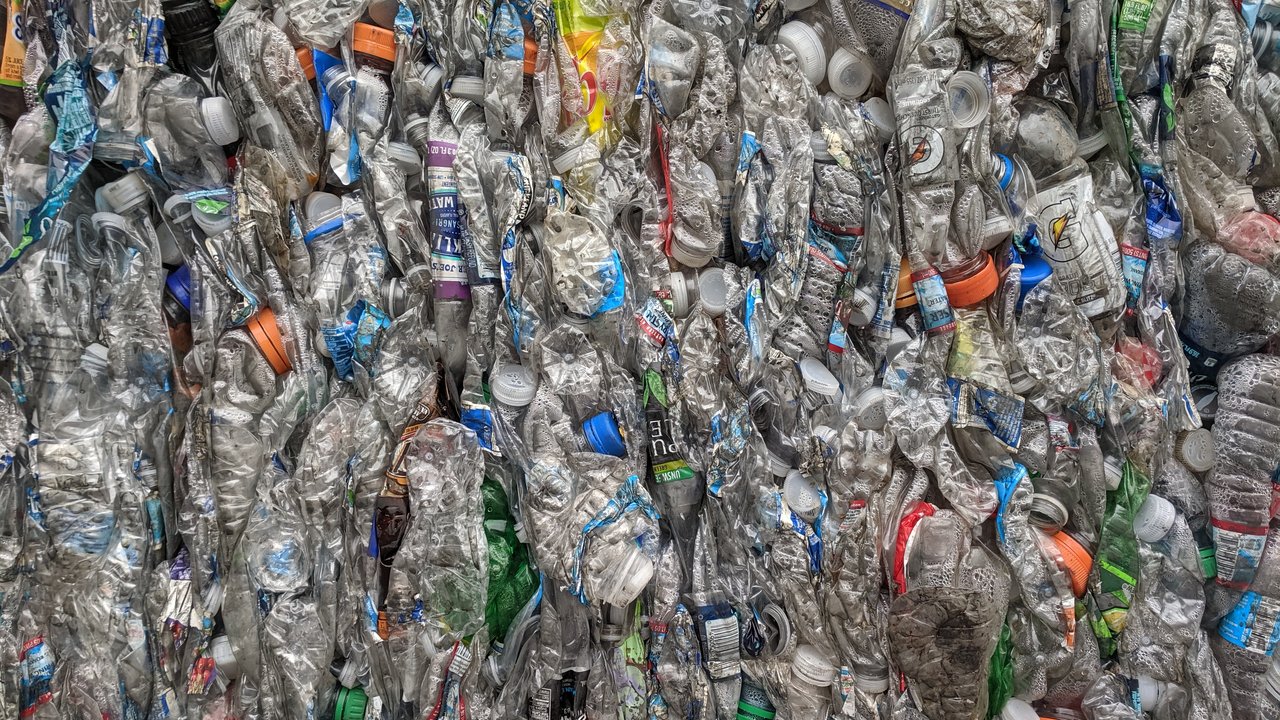
Purified Terephthalic Acid (PTA) is the single largest building block of the polyester industry. Roughly nine out of ten tonnes of PTA produced worldwide are reacted with monoethylene glycol (MEG) to make polyethylene terephthalate (PET), which in turn becomes beverage bottles, polyester fiber for apparel and home textiles, and flexible packaging film. For converters and compounders in Vietnam and across Asia, PTA is a staple raw material — yet grade selection, impurity limits, and documentation are where shipments quietly go wrong. This guide explains what PTA is, how its grades differ, where it is used, and what to verify before you place an order.
PTA is the purified form of terephthalic acid, a white crystalline dicarboxylic acid with the formula C₈H₆O₄ (CAS 100-21-0). Industrially it is made by the catalytic air-oxidation of p-xylene (PX) to crude terephthalic acid, followed by a purification step that hydrogenates and removes the key by-product 4-carboxybenzaldehyde (4-CBA). The result is a high-purity powder (typically ≥ 99.9%) that is easy to handle, store, and feed into polyester plants.
Because both ends of the molecule are carboxyl groups, PTA condenses with diols such as MEG (to PET) or 1,4-butanediol (to PBT), forming the long-chain polyesters that dominate packaging, textiles, and engineering plastics.
| Property | Typical Behavior / Description |
|---|---|
| Appearance | White, free-flowing crystalline powder |
| Purity (PTA content) | ≥ 99.9% (commercial fiber/bottle grades) |
| 4-CBA (4-carboxybenzaldehyde) | ≤ 25 ppm (bottle grade often tighter) |
| p-Toluic acid (p-TOL) | ≤ 150 ppm typical |
| Ash content | ≤ 15 ppm |
| Moisture | ≤ 0.2% |
| Thermal behavior | Sublimes / decomposes around 300°C under pressure (no true melt) |
| Solubility | Poor in water; soluble in alkaline solutions and hot polar solvents |
Reacted with MEG, PTA forms PET (polyethylene terephthalate), the resin behind carbonated-drink and water bottles, edible-oil containers, and thermoformed trays. Bottle-grade PTA is specified for very low 4-CBA and trace-metal content so the finished bottle is clear, colorless, and acetaldehyde-low — critical for taste-sensitive beverages.
Polyester is the world's most-used fiber. PTA feeds polyester staple fiber (PSF) for nonwovens, fill, and spun yarn, and polyester filament (POY / FDY) for apparel, home textiles, and industrial fabrics. Fiber-grade PTA prioritizes consistent polymerization behavior and low ash.
Biaxially oriented PET (BOPET) film is used for flexible packaging, electrical insulation, and labeling. Film-grade PTA demands tight metal and impurity control for optical clarity and uniform drawing.
With 1,4-butanediol, PTA yields PBT (polybutylene terephthalate), an engineering plastic for connectors, automotive parts, and housings. Smaller volumes go into unsaturated polyester resins and specialty coatings.
PTA is graded mainly by end use, because the impurity budget differs sharply between applications:
| Grade | Key Spec Emphasis | Typical Fit |
|---|---|---|
| Fiber grade | Low ash, consistent polymerization | PSF, POY, FDY textile yarns |
| Bottle grade | Very low 4-CBA, low metals, low b-value (yellowness) | Clear PET bottles, food-contact packaging |
| Film grade | Tight metal/impurity control, optical clarity | BOPET packaging & electrical film |
| PBT grade | Low aldehyde, controlled color | Engineering plastics (PBT) |
No. PTA is the acid raw material; PET is the polyester made by reacting PTA with MEG. You buy PTA to produce PET resin, which is then converted into bottles, fiber, or film.
Bottle grade is held to tighter 4-CBA, trace-metal, and b-value limits so the finished bottle is clear and low in acetaldehyde; fiber grade optimizes polymerization consistency and low ash for spinning.
MOQ depends on grade and packaging. Trial quantities for sampling are usually available, and SME orders are commonly quoted in the 1–200 t range per shipment.
Column: Industry Information | Product: PTA (Purified Terephthalic Acid) | Related: PET / polyester fiber / PBT | See also: Terephthalic Acid product page
NEWS



Platform Information Submission - Privacy Agreement
· Privacy Policy