 WhatsApp




Industry information
Why Polycarbonate / Epoxy Resin Can't Do Without Bisphenol A (BPA)? From Molecular Structure to the Industry Chain
2026.08.05
Read More

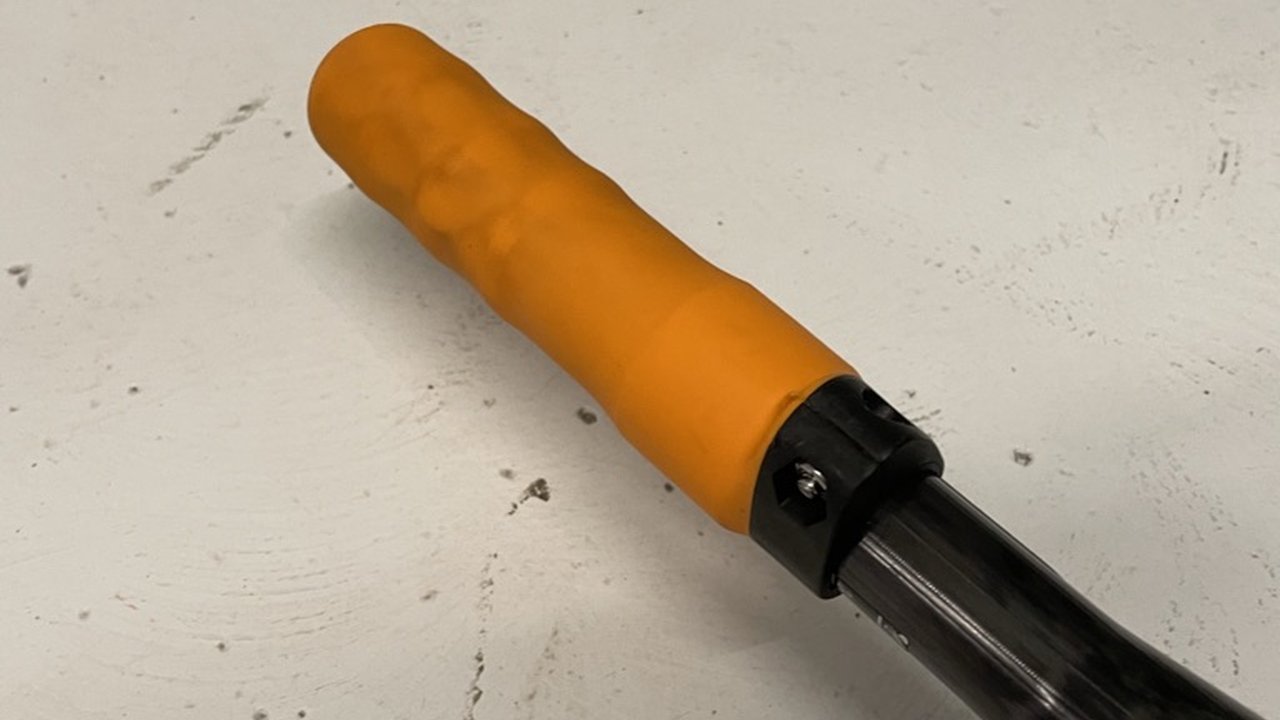
SEBS (styrene-ethylene-butylene-styrene) is the hydrogenated version of SBS. By saturating the soft mid-block, SEBS trades a little initial tack for dramatically better weatherability, heat aging, and color stability — which is why it is the preferred base for medical-grade, food-contact, automotive, and outdoor TPE compounds. For buyers in Japan, Korea, and Vietnam, SEBS is the material of choice when a product has to look good and survive years of sunlight, heat, or sterilization. This guide explains what SEBS is, how its grades differ, where it is used, and what to check before you place an order.
SEBS is a triblock copolymer with the structure polystyrene–ethylene/butylene–polystyrene. It starts life as SBS; the polybutadiene mid-block is then hydrogenated, converting the unsaturated double bonds into saturated ethylene-butylene segments. The hard polystyrene end-blocks still act as physical cross-links, so SEBS remains a true thermoplastic elastomer — melt-processable, soluble, and recyclable — but without the weak point that makes SBS age poorly outdoors.
Because the backbone is saturated, SEBS does not harden, crack, or yellow the way SBS does under prolonged UV or heat. It is also clearer (lower color), more compatible with oils and polar polymers, and easier to formulate for sensitive end uses such as medical devices and food-contact articles.
| Property | Typical Behavior / Description |
|---|---|
| Appearance | Powder, porous crumb, or pellets; low inherent color (good clarity) |
| Hardness (compounded) | Wide range, roughly 30–95 Shore A depending on oil and filler |
| Weather / UV resistance | Excellent — far superior to SBS; suitable for long-term outdoor use |
| Temperature range | Useful from about −50 °C to +130 °C (compound dependent) |
| Oil & chemical resistance | Better than SBS; good against water, dilute acids/alkalis; not for strong solvents |
| Processing | Thermoplastic — extrusion, injection, overmolding, compounding |
SEBS is the classic base for soft-touch TPE overmolded onto rigid plastics (toothbrushes, tools, grips, phone cases, toys). Its clarity, color stability, and skin-friendly feel make it ideal for products that are handled daily and must stay good-looking.
Under-hood and cabin components, seals, gaskets, and cable jacketing rely on SEBS for heat aging and weathering resistance. In wire & cable, SEBS compounds provide flexible, low-smoke insulation that stays flexible in the cold.
Because SEBS is saturated, low-extractable, and can be formulated to meet medical and food-contact requirements (e.g., USP Class VI, FDA 21 CFR 177.2600 type references depending on grade), it is widely used in tubing, stoppers, gaskets, and soft medical grips. Always confirm the specific grade's compliance documentation.
SEBS-based hot-melt pressure-sensitive adhesives (HMPSA) age far better than SBS-based ones — important for labels, tapes, and hygiene products that must survive storage and sunlight. Formulators blend SEBS with tackifiers and oils to tune tack and cohesion.
Although SBS is the more common asphalt modifier, SEBS grades are used where long service life and heat stability matter most — premium modified-bitumen roofing membranes and high-temperature road applications.
SEBS is differentiated along the same axes as SBS, plus hydrogenation level:
| Dimension | Options | Typical Fit |
|---|---|---|
| Molecular architecture | Linear vs. radial (star) | Radial: higher strength/viscosity; linear: easier processing, better flow |
| Styrene content | Typically 15–30% | Higher styrene → harder, higher modulus; lower → softer, more flexible |
| Oil extension | Unoiled vs. oil-extended | Oil-extended: softer, lower cost per unit; often used for compounds |
| Hydrogenation level | Partial vs. fully saturated | Fully saturated → best weathering/color; choose per end use |
| Form | Powder, crumb, pellets | Depends on the customer's mixing and feeding equipment |
No. SBS has an unsaturated polybutadiene mid-block; SEBS is the hydrogenated, saturated version. SEBS offers far better UV, ozone, and heat-aging resistance and better clarity, while SBS is generally more economical and gives higher initial tack in adhesives.
Yes — specific SEBS grades are formulated and documented for medical and food-contact applications. Always request the grade's compliance statement (e.g., USP, FDA references) and validate it against your intended use and local regulations.
MOQ depends on the grade and packaging. Small trial quantities for sampling are usually available; bulk orders are quoted per container or per tonne.
Column: Industry Information | Product: SEBS (Styrene-Ethylene-Butylene-Styrene) | Related: SBS / SIS / SEPS thermoplastic elastomers
NEWS



Platform Information Submission - Privacy Agreement
· Privacy Policy