 WhatsApp




Industry information
1,4-Butanediol (BDO): The PU / PTMEG / Spandex Value Chain Explained
2026.10.27
Read More

SEPS belongs to the same thermoplastic elastomer (TPE) family as SBS, SEBS and SIS — but it sits at the premium end of that family. It is the fully hydrogenated derivative of SIS (styrene-isoprene-styrene), which means the unsaturated polyisoprene mid-block has been saturated to become an ethylene-propylene rubber segment. The result is a block copolymer that behaves like rubber at room temperature yet processes like a plastic, while adding the two things ordinary SIS and SBS lack: excellent long-term weather resistance and high optical clarity. For buyers in Japan, Korea, and across Asia building high-end adhesives or sensitive bonded products, SEPS is often the material that solves the problems other TPEs cannot. This guide explains what it is, how grades differ, where it is used, and what to check before you order. See the SEPS product page for specifications and documents.
SEPS is a linear or radial triblock copolymer with the structure polystyrene – ethylene-propylene rubber – polystyrene. The two hard polystyrene end-blocks aggregate into rigid domains that act as physical cross-links; the soft, fully saturated mid-block provides elasticity. Because the cross-links are physical rather than chemical, SEPS can be melted and re-processed — the defining trait of a thermoplastic elastomer.
The hydrogenation step is what separates SEPS from its parent SIS. SIS still contains unsaturated double bonds in its mid-block, which give it strong initial tack but only moderate resistance to heat, UV and oxidation. SEPS keeps much of SIS's softness and processability while removing the weak point — making it the right choice where clarity, stability, or a low-extractable profile matters.
| Property | Typical Behavior / Description |
|---|---|
| Appearance | White to off-white pellets or porous crumb |
| Backbone saturation | Fully saturated (hydrogenated) — excellent UV, heat and oxidation resistance |
| Clarity / transparency | High; low haze, often used where optical clarity is required |
| Purity / extractables | Low (grade-dependent) — suited to sensitive and bonded assemblies |
| Hardness | Compoundable across a wide range (roughly 30–95 Shore A) |
| Electrical & low-temp behavior | Good dielectric properties; retains flexibility at low temperature |
| Processing | Thermoplastic — extrusion, injection, and hot-melt processing; no vulcanization |
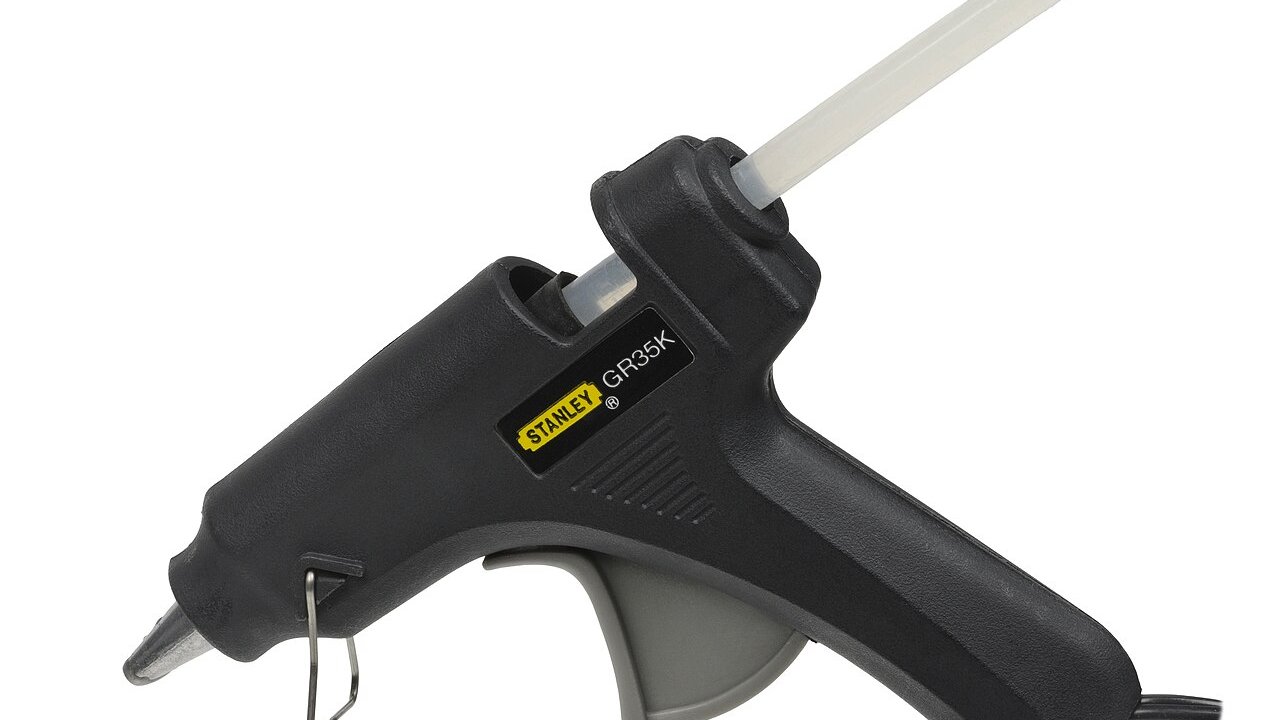
This is SEPS's flagship use. Because the backbone is saturated, SEPS-based hot-melt adhesives (HMPSA) resist yellowing and retain bond strength after prolonged heat and light exposure. Formulators value its low odor, high clarity, and compatibility with a wide range of tackifying resins and plasticizers. Typical uses include bookbinding, woodworking, specialty laminating, automotive interior bonding, and hygiene products where a clear, stable bond is required.
SEPS is widely used as a base polymer in medical-grade adhesive and film formulations where low extractables, low protein content, and high clarity are important — for example wound-care films, transdermal backing layers, and medical tubing compounds. Buyers must validate the regulatory and biological status (for example ISO 10993 testing and local medical-device requirements in Japan, Korea, or other markets) for their specific end use; SEPS is a raw material, not a pre-certified finished device component.
Where an optically clear adhesive or film is needed — displays, touch panels, and protective laminates — SEPS's low haze and non-yellowing profile make it a strong candidate as an optically clear adhesive (OCA) base or protective layer.
Its low odor and low-extractable profile suit diaper and feminine-care adhesives, and soft-touch personal-care components where skin contact is involved.
SEPS compounds soft, clear, weather-resistant TPE-S for overmolding, soft-touch grips, and consumer goods where clarity and outdoor durability matter more than low cost.
SEPS is not a single product. The right grade depends on the end application, and grades are mainly differentiated along these dimensions:
| Dimension | Options | Typical Fit |
|---|---|---|
| Styrene content | Varies by grade (~15–30%) | Higher styrene → harder, higher strength; lower styrene → softer, clearer |
| Molecular architecture | Linear vs. radial (star) | Radial: higher strength; linear: easier processing, better flow |
| Hydrogenation level | Residual unsaturation level | Higher saturation → better heat/UV/aging resistance |
| Melt flow / viscosity | MFR / melt viscosity grade | Lower viscosity for coating; higher for molding |
| Form | Pellets, porous crumb | Depends on the customer's mixing and feeding equipment |
No. Both are hydrogenated TPEs, but they come from different parents. SEBS is hydrogenated SBS (the mid-block becomes ethylene-butylene); SEPS is hydrogenated SIS (the mid-block becomes ethylene-propylene). At similar styrene content, SEPS typically gives lower hardness, higher clarity, and lower viscosity, which is why it is often preferred for clear, soft, and medical/optical adhesive applications.
Yes — it is commonly used as a base polymer in medical-grade adhesive and film formulations because of its low extractables and clarity. However, SEPS is a raw material: the finished device must still pass the buyer's own regulatory and biological testing for the intended market. Always confirm the required standards (for example ISO 10993) with your compliance team.
MOQ depends on the grade and packaging. Small trial quantities for sampling are usually available; bulk orders are quoted per container or per tonne. Discuss your trial and production volumes with the supplier up front.
Column: Industry Information | Product: SEPS (Styrene-Ethylene-Propylene-Styrene) | Related: SIS / SEBS / SBS thermoplastic elastomers
NEWS


Platform Information Submission - Privacy Agreement
· Privacy Policy