 WhatsApp




Industry information
Comparing Domestic Chemical Procurement Channels: 1688 vs Baidu Aicaigou vs Direct from Manufacturer
2026.10.12
Read More

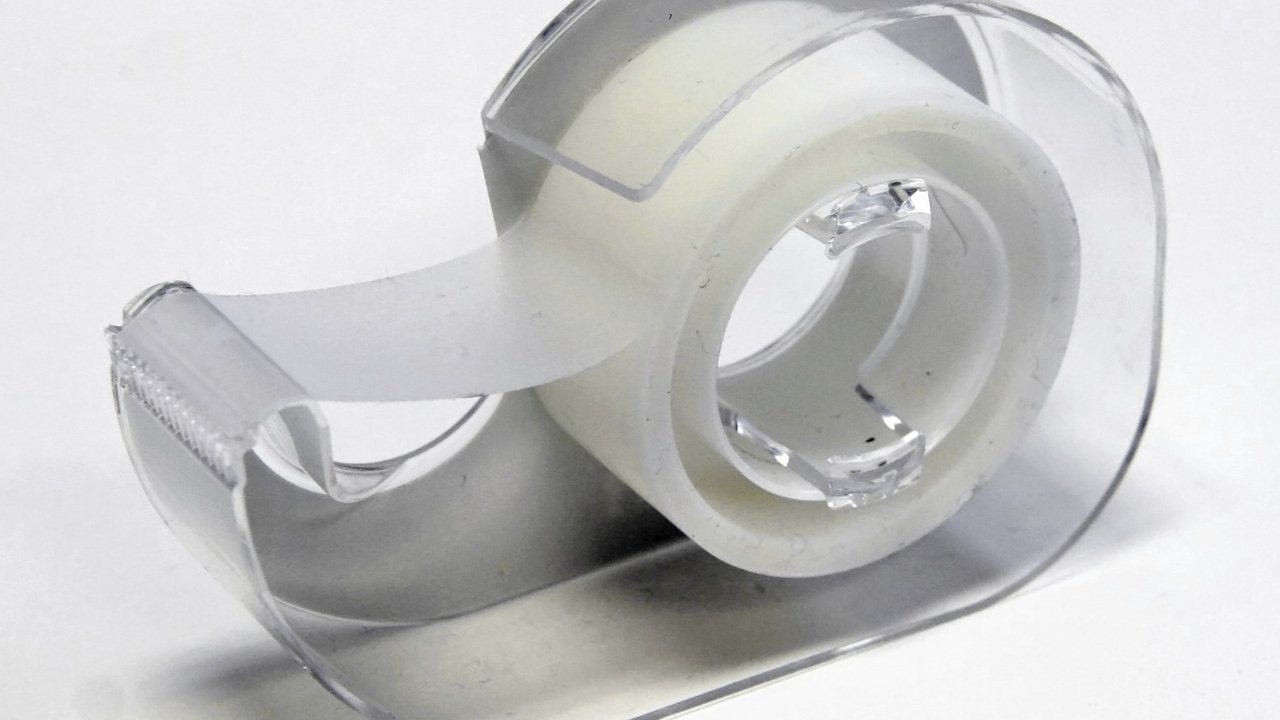
SIS (styrene-isoprene-styrene) is the styrenic block copolymer of choice when fast, aggressive initial tack matters. In hot-melt pressure-sensitive adhesives (HMPSA) and hot-melt adhesives, SIS delivers the "quick stick" that label converters, tape manufacturers, and hygiene-product producers depend on — and keeps that tack at low temperatures where many alternatives stiffen. This guide explains what SIS is, how its grades differ, where it fits best, and what to check before ordering.
SIS is a triblock copolymer with the structure polystyrene–polyisoprene–polystyrene. The two hard polystyrene end-blocks aggregate into rigid "domains" that act as physical cross-links, while the soft polyisoprene mid-block provides tack and elasticity. Because the cross-links are physical, not chemical, SIS can be melted, coated, and re-processed — the defining feature of a thermoplastic elastomer (TPE).
Because the polyisoprene mid-block is softer and tackier than SBS's polybutadiene mid-block, SIS compounds show excellent initial tack and quick stick, with good low-temperature flexibility. The trade-off is cohesion: at equal styrene level, SIS holds less load, so structural applications usually call for SBS, SEBS, or an SIS/SBS blend. Related product pages: SIS, SBS and SEBS.
| Property | Typical Behavior / Description |
|---|---|
| Appearance | White to off-white porous crumb or pellets |
| Initial tack | Excellent — quick stick, even on low-energy surfaces |
| Cohesion / holding power | Moderate; lower than SBS — tune with styrene content and diblock level |
| Low-temperature flexibility | Very good; tack is retained at refrigerator and freezer temperatures |
| Solubility | Soluble in toluene, cyclohexane and other aromatic / aliphatic solvents |
| Processing | Thermoplastic — hot-melt coating (typically 150–180 °C) or solvent-based systems |
| Weather / UV resistance | Moderate; hydrogenated grades (SEPS) are the choice for long-term aging resistance |
The single largest use of SIS. As the HMPSA base polymer, it delivers the instant tack required by labels, tapes, protective films, graphics, and POS displays. Formulators blend SIS with tackifying resins (C5 hydrocarbons, rosin esters, terpene-phenolics) and plasticizers to dial in tack, peel strength, and open time; a typical HMPSA runs 30–50% SIS.
SIS is the classic base for disposable hygiene construction adhesives — diaper assembly, feminine care, and similar elastic-film bonding. Softness, low-temperature flexibility, and clean flow suit high-speed lines; it is often blended with metallocene polyolefins for sprayable, low-odor positions.
For case and carton sealing, paper conversion, and bookbinding (spine and side gluing), SIS-based hot melts balance set speed, flexibility, and low-temperature crack resistance — valuable for cold-chain logistics.
"SIS" alone is not a specification — grade selection separates a tacky PSA from a cohesive structural adhesive:
| Dimension | Options | Typical Fit |
|---|---|---|
| Styrene content | Commonly ~15–30% | Higher styrene → strength and cohesion; lower styrene → softness and tack |
| Architecture | Linear vs. radial (star) | Radial: higher melt strength; linear: easier coating and processing |
| Diblock (SI) content | Varies by grade | More diblock → softer, tackier, lower cohesion — key tuning lever for PSA |
| Molecular weight / MFI | Varies by grade | Sets melt viscosity, coating behavior, cohesive strength |
| Oil extension | Mostly non-oiled | Adhesive grades are usually dry; oil is added in formulation |
| Attribute | SIS | SBS |
|---|---|---|
| Initial tack / quick stick | Excellent | Moderate to good |
| Cohesion / holding power | Moderate | Higher |
| Low-temperature performance | Very good | Good |
| Best fit | Quick-stick PSA, hygiene, cold-chain packaging | Structural adhesives, asphalt, footwear, modification |
| Typical cost position | Generally higher | More economical |
Where both tack and cohesion matter, formulators run SIS/SBS blends or move up to hydrogenated SEPS; for long-term UV and heat exposure, SEBS remains the safer choice.
Both are styrenic triblock copolymers, but SIS has a polyisoprene mid-block and SBS a polybutadiene mid-block. SIS is softer and much quicker-tacking; SBS is stronger and more cohesive. In practice SIS leads in pressure-sensitive and hygiene adhesives; SBS in asphalt modification, footwear, and structural compounds.
A common starting range is 30–50% SIS as the base polymer, balanced with tackifying resin, plasticizer oil, and a little antioxidant. The exact recipe depends on substrate, application temperature, and the required adhesion–cohesion balance.
Yes. SIS dissolves readily in toluene, cyclohexane, and similar solvents; SIS solutions serve contact and construction adhesives. Confirm viscosity and solids against your coating equipment.
Both are achievable. Permanent labels lean on higher-styrene, higher-cohesion grades with matched tackifiers; removable labels on lower-cohesion, higher-tack grades. Grade and tackifier ratio, not the polymer alone, decide the outcome.
HY Chem focuses on SME-scale supply, typically single orders of 1–200 tonnes. SIS is normally supplied in 20–25 kg bags or 500–750 kg big bags; sampling quantities are usually available before bulk commitment.
Column: Industry Information | Product: SIS (Styrene-Isoprene-Styrene) | Related: SBS / SEBS / SEPS thermoplastic elastomers
NEWS



Platform Information Submission - Privacy Agreement
· Privacy Policy