 WhatsApp




Industry information
Isopropyl Alcohol (IPA): Applications and Procurement Guide for Industrial vs Electronic Grade
2026.10.12
Read More

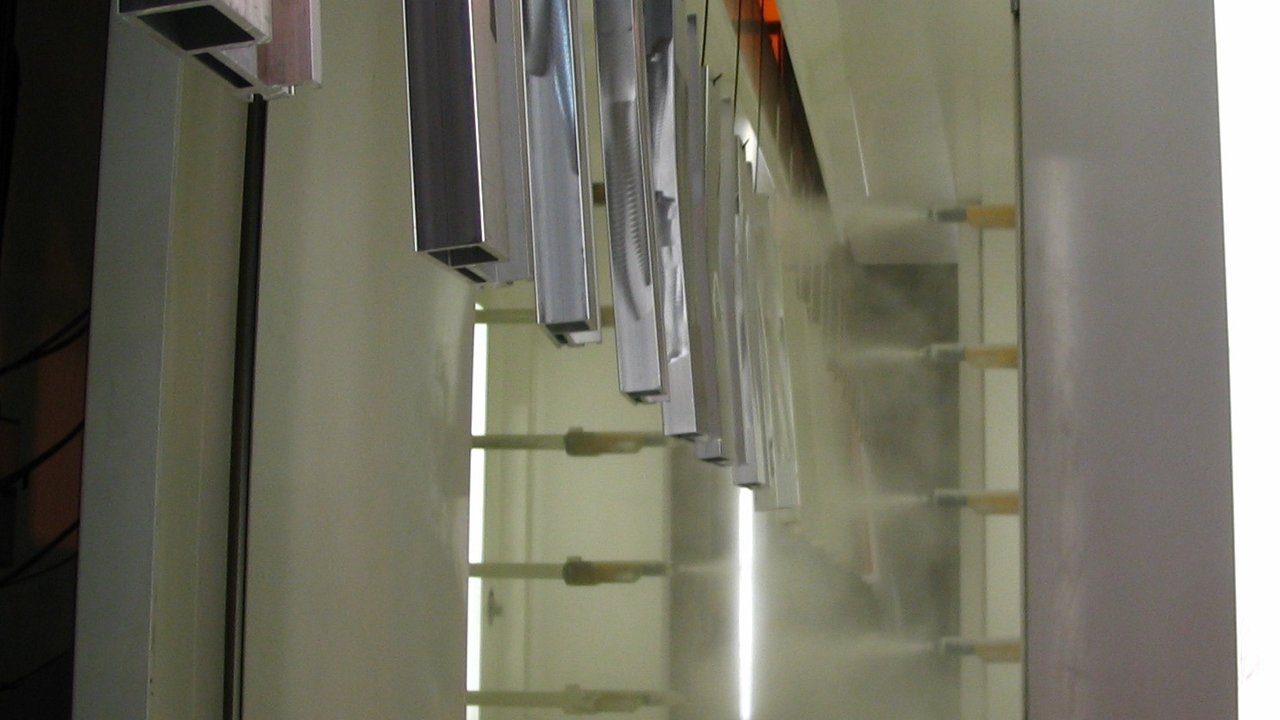
Neopentyl glycol is one of the most valuable "small" diols in the coatings and resin world. Although it looks unremarkable as a white crystalline flake, its distinctive neopentyl (quaternary-carbon) structure makes the polyester chains built from it unusually resistant to hydrolysis, heat, and ultraviolet light. That single molecular feature is why NPG-based saturated polyesters dominate high-performance powder coatings, exterior coil and can coatings, and premium automotive topcoats. For formulators and buyers across Asia, the Middle East and beyond, NPG is a staple raw material — and one where grade selection and documentation matter more than the price tag. This guide explains what NPG is, how it behaves, where it is used, and what to verify before you place an order.
NPG is the common name for 2,2-dimethyl-1,3-propanediol, a symmetric diol with the formula C5H12O2 and a molecular weight of 104.15 g/mol. At room temperature it is a white, odorless crystalline solid supplied as flakes or pastilles. Its defining chemical feature is a quaternary carbon at the center of the molecule — the two hydroxyl groups are attached to adjacent primary carbons that are shielded by four methyl groups.
Because of that stability, NPG is rarely chosen for "cheap" formulations and almost always specified where long-term durability is the selling point — outdoor architectural profiles, appliances, automotive parts, and industrial tanks.
| Property | Typical Value / Description |
|---|---|
| Appearance | White to off-white crystalline flakes or pastilles |
| Molecular formula / weight | C5H12O2 / 104.15 g/mol |
| Melting point | ~124–130 °C |
| Hydroxyl value | ~1060–1075 mg KOH/g |
| Solubility | Soluble in hot water and many organic solvents; low moisture absorption |
| Key advantage | Excellent weather, heat and hydrolytic resistance from the neopentyl structure |
This is by far the biggest outlet for NPG. Saturated polyesters made with NPG are the binder in TGIC- or HAA-cured powder coatings used for architectural aluminium profiles, outdoor furniture, appliances, and electrical enclosures. Compared with glycols such as ethylene or propylene glycol, NPG-based polyesters deliver markedly better gloss retention, color stability, and chalking resistance under sun and heat — exactly what exterior and appliance specs demand. See our deep dive: NPG in Powder Coatings: Applications and Selection Guide.
NPG is copolymerized with diacids such as isophthalic acid (IPA) and terephthalic acid to make saturated polyesters for coil coatings, food-can and drum coatings, and automotive OEM / refinish topcoats. The result resists overbake yellowing, detergents, and outdoor exposure. NPG's low moisture pickup also helps keep coating films clear and defect-free.
In UPR, NPG improves water and chemical resistance, making it attractive for gelcoats, sanitaryware, SMC/BMC molding compounds, and corrosion-resistant pipes and tanks. The neopentyl diol slows hydrolytic degradation of the resin in wet or aggressive service.
NPG is esterified to polyol esters used as high-temperature compressor fluids, turbine and aviation-adjacent lubricants, and low-temperature greases — again leveraging its thermal and oxidative stability. Smaller outlets include plasticizers, UV-curable monomers, antioxidants, and specialty alkyd modifiers.
NPG is not a single product — the right grade depends on your process and end use. The main axes of differentiation are:
| Dimension | Options | Typical Fit |
|---|---|---|
| Physical form | Flake (solid) vs. molten | Flake for bag/jumbo packing; molten shipped hot in iso-tanks for large, continuous users |
| Purity / grade | Standard (≥99.0%) vs. high-purity / ester grade | High-purity preferred for clear, light-colored and lubricant-grade polyesters |
| Key specs | Assay, melting range, moisture, color (APHA), hydroxyl value, ash | Tighter color and moisture for exterior / appliance powder binders |
| Packaging | 25 kg bags, 500/1000 kg jumbo bags, iso-tank (molten) | Chosen by order size and handling equipment |
No. BDO is a linear diol used heavily in polyurethanes, PTMEG and spandex, whereas NPG is a branched neopentyl diol prized for resin durability. They are not interchangeable, and roughly half of global BDO goes into PU chains where NPG would not perform.
It can in many durable-goods formulations, and it usually improves weatherability. But NPG is more expensive and has a higher melting point, so it is selected where performance justifies the cost — not as a universal drop-in.
MOQ depends on grade and packaging. Sample quantities for lab evaluation are typically available, while bulk is quoted per tonne or per container. We focus on small-to-medium buyer orders in the 1–200 tonne range.
Flake NPG ships in sealed bags or jumbo bags kept dry; molten grade is transported in heated iso-tanks. Store in a cool, dry, well-ventilated area away from heat and moisture, and reseal partially used containers promptly.
Column: Industry Information | Product: Neopentyl Glycol (NPG) | Related: Isophthalic Acid (IPA) / Powder-Coating Polyester Resins
NEWS



Platform Information Submission - Privacy Agreement
· Privacy Policy